
In 2026, the digital ecosystem is set to get even more dynamic than ever. With AI rapidly advancing, evolving user behaviour, shifts in data privacy, and the constant evolution of platforms, it is redefining how brands should connect with their audiences. All this has added to the complexity, making social media agencies an indispensable partner for brands seeking relevance, responsiveness, and sustained growth.
For businesses looking to slay the market, a strategic, data-driven social presence is no longer an option. It’s one of the foundational elements.
Over the years, social media has not only remained a key marketing communication channel but has continued to gain strength and relevance.
1. Social Media Is the Cornerstone of Modern Marketing
According to HubSpot’s 2026 state of marketing data, social media accounts for three of the top five most impactful brand channels, including paid social, organic social, and social commerce tools. In many strategies, social media now sits second only to websites and SEO.
Moreover, Instagram leads in platform usage among brands, with 70% using it as their primary social channel, edging out Facebook. TikTok also continues to grow in both adoption and ROI perception among marketers.
How does that impact brands?
Social channels have transformed from being mere outreach platforms to becoming ecosystems. An ecosystem where culture, commerce, and community intersect. The role of an agency is to help brands harness this intersection in a strategic, structured, and measurable way.
2. Driving ROI With Precision and Performance
Thanks to the measurability of digital platforms, social media agencies adopt a data-driven approach to what was once a creative hobby for brands. In 2026, the numbers speak for themselves:
- Social media marketing delivers an average ROI of $5.20 for every $1 spent, outperforming many traditional channels.
- Influencer and user-generated content (UGC) generate strong trust and conversion signals, with 69 % of consumers trusting influencer product suggestions and brands seeing up to ~29 % higher web conversions with UGC.
- Social commerce is forecast to drive $1.3 trillion in global sales in 2026, transforming social platforms into viable revenue engines rather than mere engagement channels.
Delivering this kind of impact requires technical skills, from audience segmentation and conversion tracking to predictive analytics and AI optimization, that most in-house teams cannot build overnight. Agencies, on the other hand, provide it.
3. Advanced Audience Targeting & First-Party Data Utilization
Online privacy has become imperative, and platforms are increasingly privacy-centric, tightening data access. This shift has pushed companies back toward primary collection, but with a significant difference. Today, data is actively collected through customer interactions and used to tailor content, advertising, and customer experiences.
To ensure brands reach and engage the right audience, social media agencies undertake:
- Audience segmentation and behaviour mapping
- Predictive analytics and machine learning–based insights
- Privacy-compliant first-party data capture and activation
By embedding data infrastructure into social media efforts, agencies help brands optimise relevance and personalisation at scale, which, in 2026, is no longer a competitive advantage but a competitive necessity.
4. Creative Ecosystems That Drive Authentic Engagement
Strong Thought Leadership Version
Gen Z and Gen Alpha don’t see social media as a broadcast medium; they see it as a participation platform. They don’t just consume content, they interact, respond, remix, and co-create. For brands, this changes the role of social media from communication to engagement.
A shift that has introduced two new currencies: authenticity and community. Users’ inclination towards content that feels genuine, personal, and interactive is growing. It is reflected in the dropping engagement for superficial, one-size-fits-all messaging.
Agencies step in to help brands deliver messaging that connects and engages by
Curating Storytelling Content
Frequent posting is no longer enough to build brands on social media. It is consistent and culturally relevant storytelling that does the magic. Strategic narratives narrated in a way that evoke emotions, create or stir memories, associations that resonate, create an emotional connection, and loyalty that goes far beyond transactional interactions.
Activating Influencers and Creators
Influencer marketing has also evolved. Today, partnerships with micro and niche influencers often outperform large macro campaigns. Smaller creators typically have more engaged and more trusting audiences, which leads to stronger engagement and often better conversions.
Amplifying User-Generated Content
User-generated content (UGC) has become one of the most powerful tools for building trust for brands. There is no greater authenticity than a customer creating content that amplifies the brand’s USPs. It helps build community and reduces content production costs. More importantly, people trust content created by other users far more than brand-created communication.
By designing ecosystems of content, communities, and creator networks, agencies help brands maintain cultural currency,which is increasingly critical for staying relevant in fast-moving digital environments.
5. Real-Time Community Management & Reputation Protection
One of the most critical yet least acknowledged roles a social media agency plays is real-time reputation management. Because agencies monitor platforms round the clock to drive engagement, they also become the brand’s ears to the ground, spotting early signs of dissatisfaction, negative sentiment, or potential issues before they escalate.
This early detection allows brands to respond quickly, resolve concerns, and in many cases even turn a negative experience into a positive one. In an era where amplification has never been easier and faster, managing sentiment is more critical than ever.
Research consistently shows that quick responses to social engagement significantly reduce reputational damage and improve customer perception. On social media, the biggest risk is not that brands respond, but how they respond. Agencies not only ensure that brands are proactive rather than reactive, but also help them respond appropriately, thereby protecting their reputation while strengthening customer relationships.
6. Navigating Platform and Algorithm Evolution
Social platforms need to constantly evolve to stay relevant and up to date, introducing new norms, formats, features, and frequent algorithm updates. This constant evolution, though a necessity, poses a challenge for brands. Agencies stay abreast of these changes and help brands adapt their content and strategy to remain relevant and benefit from early adoption.
7. Outcomes – Measurable & Business Aligned
Because digital media is measurable, social media has become accountable. And once something becomes accountable, it becomes strategic.
Today, social media agencies don’t just create content; they build campaigns aligned to business objectives such as awareness, engagement, lead generation, sales funnels, and customer retention.
The best agencies go a step further. They connect social media performance to business outcomes like revenue, customer acquisition, and retention. They build dashboards that translate engagement into business metrics and produce reports that help management make informed budget and strategy decisions.
At this point, social media stops being a marketing expense and starts becoming a business investment, one that directly contributes to the bottom line.
Conclusion: Social Media Agencies as Strategic Growth Partners
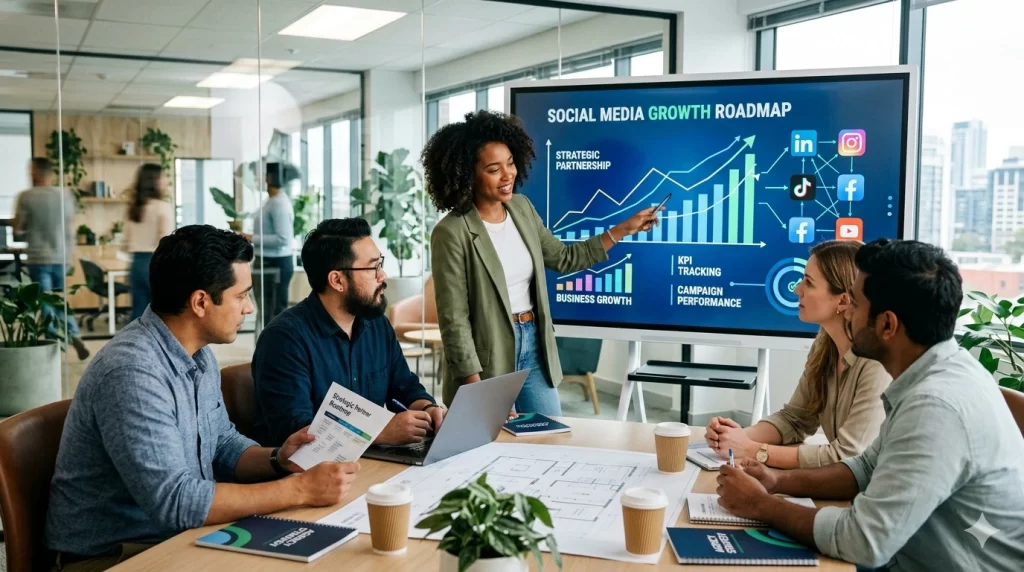
Social media agencies today are not content vendors; they are growth partners.
They bring together creativity, data, culture, and community to help brands stay relevant and competitive in a fast-changing digital landscape.
The brands that recognise this are not just surviving digital disruption; instead, they are shaping it.
To leave you with a final thought. The question for brands is no longer whether to be on social media, but whether they are using it strategically enough. What is your truth? Do share in the comments section.